
Plants
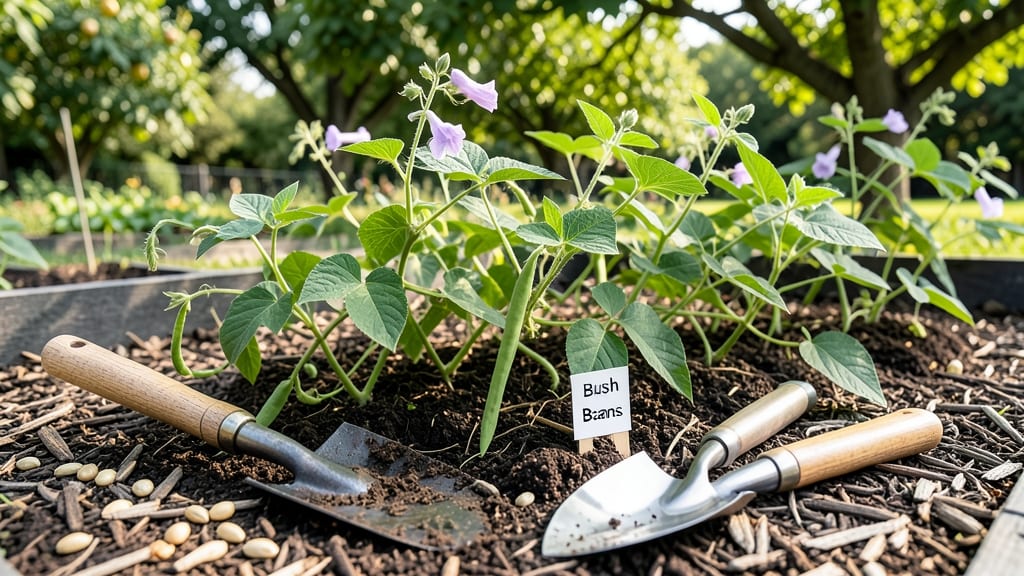
Timing your bean planting in Kentucky isn’t just about the calendar—it’s about beating frost and matching varieties to your USDA zone 6a-7b climate.
One late frost can turn your eager seedlings into sad, wilted memories, but with the right frost-free deadlines, you’ll be harvesting crisp pods from July through September.
Most Kentucky gardeners know the general rule: wait until after the last frost, but the devil’s in the details. Your April 15–June 1 window isn’t just arbitrary—it’s based on soil temperatures hitting 60°F and your local microclimate.
Whether you’re in Louisville’s urban heat islands or the cooler Appalachian foothills, these deadlines keep your 🌱 beans thriving.
Here’s the game-changer: heat-tolerant varieties like ‘Blue Lake’ or ‘Kentucky Wonder’ can handle late starts, while cooler-season types like ‘Contender’ need to be in the ground by early May. We’ll break down exactly when to plant each, plus how to adjust for Kentucky’s unpredictable spring—so you’re never left guessing.
Ready to turn your garden into a bean bonanza? Let’s dive into the zone-specific planting schedule that’ll have your plants growing strong and your harvest table full.
Kentucky bean planting deadlines by USDA zone (avoid frost damage)
Kentucky’s USDA zones 6a-7b experience last frost dates that vary by region—typically between mid-March and mid-April. Planting beans too early risks frost damage, while waiting too long can shorten your harvest window. The key is aligning your planting with soil temperatures of at least 60°F and local frost-free averages.
For bush beans, which mature faster (50-60 days), aim to plant 2-3 weeks after your last frost date. Pole beans, which take longer (60-75 days), need an even later start.
Kentucky’s average last frost dates range from March 15 in southern zones (7a-7b) to April 15 in northern zones (6a-6b), so adjust accordingly.
Here’s how to time it perfectly for your zone:
| USDA Zone | Last Frost Date | Safe Planting Window | Notes |
|---|---|---|---|
| 6a (Northern KY) | April 1-15 | April 15-May 10 | Use heat-tolerant varieties like 'Blue Lake' for late starts. |
| 6b (Central KY) | March 25-April 5 | April 10-May 1 | Ideal for bush beans like 'Kentucky Wonder.' |
| 7a (Southern KY) | March 10-20 | March 25-April 15 | Early planting allows for fall harvests if sown by July. |
| 7b (Far South KY) | March 1-10 | March 15-April 5 | Longest growing season; try pole beans like 'Rattlesnake.' |
⏰ Pro Tip: Use a soil thermometer to confirm 60°F+ before planting.
If you’re in a high-altitude area (e.g., eastern Kentucky), expect later frost dates and opt for early-maturing varieties. For urban gardens with microclimates, monitor local weather forecasts and consider row covers for early starts.
For fall planting, sow seeds by mid-July to harvest before the first frost. Choose short-day varieties like 'Black Valentine' to ensure maturity before cold weather sets in.
Always check your local Cooperative Extension Service for real-time frost alerts, as Kentucky’s weather can shift unpredictably. A few extra weeks of patience can mean the difference between a bountiful harvest and a lost crop.
🌱
Best bean varieties for Kentucky’s climate (early vs. late planting)
Kentucky’s USDA zones 6a-7b offer a 180-210 day frost-free season, giving you flexibility to grow early-season cool-loving beans and heat-tolerant late varieties. Choosing the right type ensures your harvest thrives whether you plant in April or June. Let’s explore the best options for your garden.
For early planting (March-April), opt for cool-season varieties like Kentucky Wonder or Provider. These bush beans mature in 50-60 days and handle light frosts better than heat-loving types. They’re perfect if you’re sowing soon after your last frost date (typically mid-April).
If you’re planting late (May-June) to avoid early-season pests or extend your harvest, try heat-tolerant varieties like Blue Lake Bush or Rattlesnake Pole Beans. These varieties thrive in summer’s 90°F+ temperatures and produce well into September.
Their longer maturity time (65-75 days) makes them ideal for succession planting.
Early Planting Varieties (Cool-Season)
✅ Bush type, 55-day maturity, frost-tolerant
✅ High yield, 50-day maturity, disease-resistant
✅ Early-maturing, 52-day harvest, great for containers
Late Planting Varieties (Heat-Tolerant)
✅ Pole type, 70-day maturity, thrives in heat
✅ Pole type, 65-day maturity, drought-resistant
✅ Bush type, 60-day maturity, high yield in heat
Drought-resistant varieties like Black Valentine or Contender are excellent for Kentucky’s dry summers, especially in USDA zone 7b where rainfall can be inconsistent. These types also resist bean mosaic virus, a common issue in Kentucky gardens.
For urban gardeners with limited space, bush varieties like Blue Lake Bush are ideal—they grow 2-3 feet tall and don’t require trellises.
Pro tip: If you’re planting pole beans, choose heat-tolerant varieties like Rattlesnake for late-season success. Their vines can climb 6-8 feet, maximizing vertical space in small gardens. Just ensure you provide a strong trellis or fence to support their growth during Kentucky’s humid summers.
For a continuous harvest, mix early and late varieties. Start with Kentucky Wonder in April for a June harvest, then follow with Contender in June for a September bounty. This strategy extends your growing season and reduces the risk of crop failure from unpredictable weather.
Remember, soil temperature matters just as much as air temperature. Wait until the soil reaches 60°F before planting, even if the air is warm. Use a soil thermometer to check—cool soil can delay germination, especially for late-season varieties.