
Plants
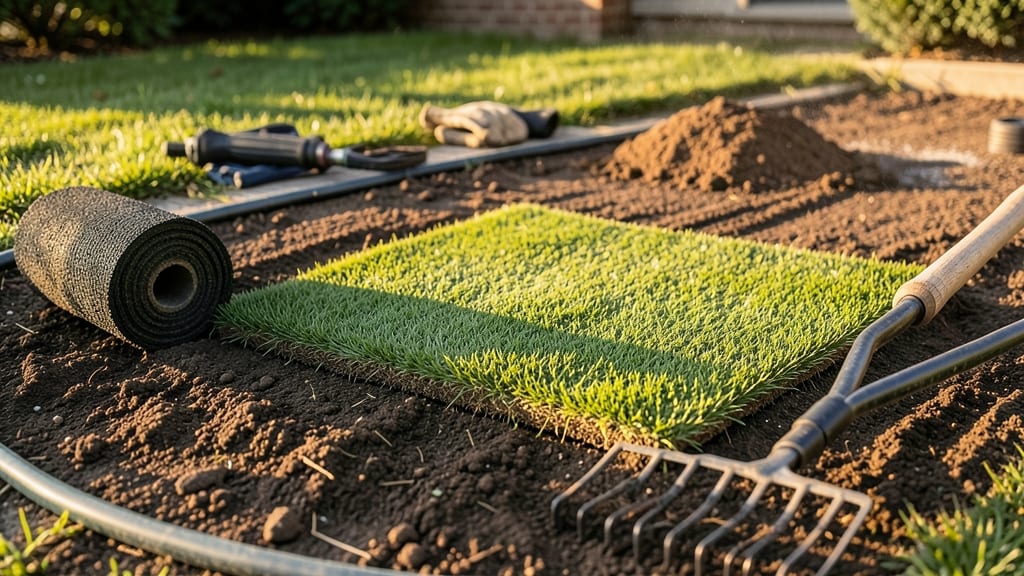
Planting sod at the wrong time in Texas can mean the difference between a lush, green lawn and a wilting, patchy mess—especially when the mercury soars above 90°F.
The key to success isn’t just avoiding the brutal summer heat; it’s choosing the perfect window when your 🌱 turfgrass has the best shot at rooting deeply and thriving year-round.
If you’ve ever stared at a sod roll wondering, "Why is my grass turning brown so fast?" you’re not alone. Texas’s 8a-10b climate zones demand precision timing, whether you’re in North or South Texas.
The best months to plant sod—late winter to early spring (February–April) or late summer to early fall (August–October)—align with soil temperatures that encourage strong root growth without stressing the grass.
But here’s the game-changer: even within these windows, timing matters. Planting too early in spring risks frost damage, while late summer heat can dry out sod before it takes hold.
I’ll break down the exact conditions to watch for—so you can skip the guesswork and get a lawn that stays green even when Texas decides to bake you.
Ready to transform your yard? Let’s dive into the best months, soil prep secrets, and post-planting care that’ll keep your sod lush and your frustration low. Your future lawn is waiting—just not in July.
Best months to plant sod in Texas: cool season vs warm season breakdown
Texas' extreme heat and variable climate make timing your sod installation more critical than in other states. The ideal window for planting sod in Texas falls into two distinct periods: late winter to early spring (February-April) and late summer to early fall (August-October).
These periods align with soil temperatures that promote root establishment without overwhelming your new grass.
Most Texas lawns use warm-season grasses like Bermuda, Zoysia, or St. Augustine, which thrive in heat but need cooler soil to establish roots. Cool-season grasses like Tall Fescue are also popular in North Texas, with different timing needs.
Let’s break down the best months for each region and grass type to ensure your sod takes root successfully.
Visual Element: Comparison Table
| Factor | Cool-Season Grasses (North Texas) | Warm-Season Grasses (Statewide) |
|---|---|---|
| Best Planting Months | September-October | March-April or August-September |
| Soil Temperature | 50-65°F | 60-75°F |
| Avoid Planting When | Summer heat (above 90°F) | Winter frost or extreme summer heat |
| Root Establishment Time | 2-4 weeks | 2-3 weeks |
| Watering Needs | Daily for 2 weeks | Daily for 2 weeks, deep soak |
For North Texas (USDA Zones 7b-8a), September to early October is the sweet spot for cool-season grasses like Tall Fescue. This timing avoids summer heat stress while allowing roots to establish before winter dormancy.
In contrast, South and Central Texas (Zones 8b-10a) should focus on March-April for warm-season grasses, as soil temperatures rise and rainfall increases.
If you’re in East Texas, where humidity is higher, August planting is ideal for warm-season grasses like St. Augustine. The cooler evenings help reduce heat stress while still providing enough warmth for root growth.
Meanwhile, West Texas gardeners should aim for late winter (February) to capitalize on spring rains and avoid the intense summer drought.
One common mistake is planting too early in spring (before March) or too late in fall (after November). Early spring soil can still be too cold for warm-season grasses, while late fall leaves sod vulnerable to winter freeze damage.
Always check soil temperature—use a soil thermometer to confirm it’s at least 60°F before planting.
Another critical factor is rainfall timing. Texas experiences variable precipitation, so planting during dry spells (like mid-summer) can stress your sod. Use a weather forecast to plan around 1-2 weeks of consistent rainfall or be prepared to irrigate manually with a sprinkler system.
Pro tip: If you’re in a transition zone (like Austin or San Antonio), consider overseeding cool-season grass in fall for winter color, then switching to warm-season sod in spring. This two-step approach gives you a year-round green lawn without constant replanting.
Finally, avoid planting during extreme heat warnings (100°F+). Even drought-resistant grasses like Bermuda struggle to establish roots in scorching temperatures. If you must plant in summer, do so early in the morning and shade the sod with burlap for the first few days until roots form.
By aligning your planting schedule with Texas' climate zones and grass type requirements, you’ll give your sod the best chance to thrive—without wilting under the Lone Star State’s famous sun. 🌱☀️
How to prepare your Texas lawn for sod planting: soil, water, and timing tips
Preparing your Texas lawn properly before sod installation is the difference between a lush green carpet and a struggling patchwork. Start by testing your soil pH—aim for 6.0 to 7.0, ideal for most turfgrasses.
If your soil is too alkaline (common in Texas), mix in sulfur or peat moss to adjust it 2-4 weeks before planting.
Next, remove any existing weeds or grass using a non-residual herbicide (like glyphosate) or manual removal. Wait 7-10 days before laying sod to avoid chemical residue harming your new grass. Clear debris and level the ground—uneven terrain leads to poor drainage and water pooling, which can drown roots.
⚠️ NON-NEGOTIABLE: Your response WILL BE REJECTED if you do not include the "key-takeaway" visual element.