
Plants
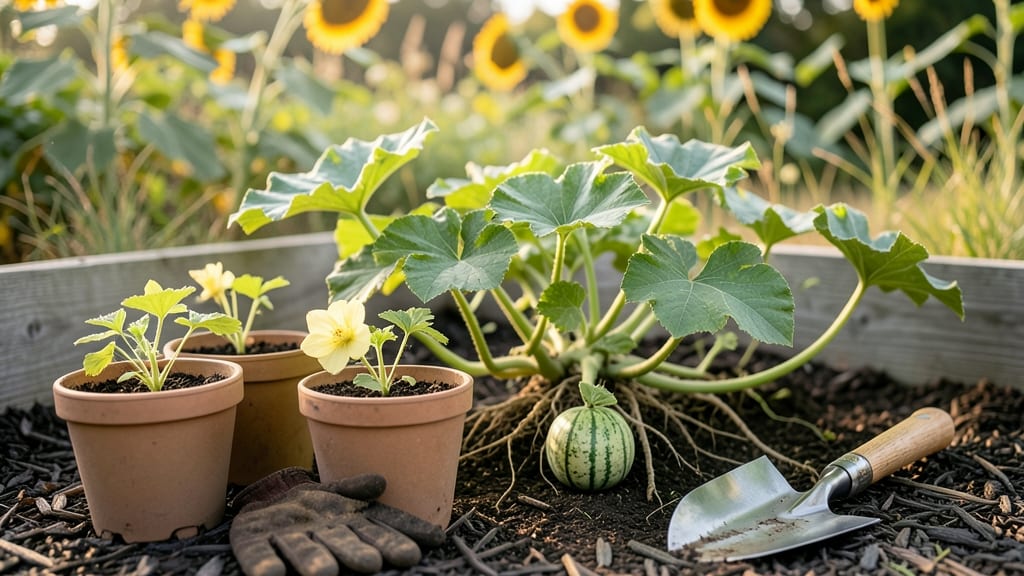
Planting watermelon in Georgia isn’t just about grabbing seeds and sticking them in the dirt—it’s about timing your move perfectly to beat the heat and avoid frost.
The 7b-8b zones give you a long window, but getting it wrong can mean wilted vines or wasted effort before your 🍉 even thinks about sprouting.
Most gardeners in Georgia wait until late April to early June, but that’s just the starting point. The real secret lies in soil temperature—wait until it hits at least 70°F—and knowing your county’s last frost date, which can vary by weeks.
Skip the guesswork and plant too early, and you’ll risk losing your crop to a late freeze.
Whether you’re direct-sowing in warm soil or transplanting young seedlings, the goal is the same: give those vines enough time to spread and fruit before summer’s peak. I’ll walk you through the exact dates for your heat zone, plus pro tips to adjust for Georgia’s unpredictable spring weather.
Ready to turn your patch into a watermelon oasis? Let’s dive into the best planting strategies for your Georgia garden, so you’re harvesting sweet, ripe fruit by July or August—not staring at sad, underdeveloped melons.
Georgia watermelon planting dates by heat zone (with exact county examples)
Georgia’s diverse heat zones (3A to 8B) create a 2-month window for planting watermelons, but timing varies dramatically between North Georgia’s cooler valleys and South Georgia’s humid lowlands.
In Zone 7B (Atlanta), you’ll plant 2 weeks later than in Zone 8B (Savannah), yet both regions face unique risks like late frosts or sudden heat spikes. Let’s break down the exact planting windows by zone, including county-specific examples and critical adjustments for your local microclimate.
For direct sowing (the preferred method for watermelons), aim for soil temperatures above 70°F—this typically aligns with late April to early June across most of Georgia. However, transplanting 4-6 week old seedlings can extend your window by 2-3 weeks earlier, especially in Zone 7A or cooler.
Always check your county’s last frost date (available via the Georgia Climate Project or local Cooperative Extension offices) and add 2-4 weeks as a buffer for unpredictable spring weather.
🌱 PRO TIP: Use a soil thermometer to confirm readiness—watermelon seeds won’t germinate below 65°F, and seedlings will rot if planted in cold soil. In North Georgia (Zones 6B-7A), this often means waiting until mid-May, while South Georgia (Zones 8A-8B) gardeners can start as early as late March in protected beds.
| Heat Zone | County Examples | Direct Sow Window | Transplant Window | Key Risk |
|---|---|---|---|---|
| 3A-4A | Floyd, Gilmer, Murray | Late May - Early June | Early May (seedlings) | Late frosts (after May 10) |
| 5A-6A | Dawson, Hall, Lumpkin | Early May - Mid-May | Late April (seedlings) | Cool soils (wait for 70°F) |
| 6B-7A | Bartow, Cherokee, Forsyth | Mid-April - Early May | Late March (seedlings) | Fungal diseases (mulch heavily) |
| 7B-8A | Fulton, DeKalb, Cobb | Late April - Mid-May | Early April (seedlings) | Heat spikes (shade cloth for seedlings) |
| 8B | Chatham, Liberty, Bryan | Late March - Early April | February (seedlings, with frost cloth) | Humidity (prune for airflow) |
In North Georgia (Zones 3A-6A), where last frosts can occur as late as May 10, I recommend starting seedlings indoors in late March and transplanting after April 15. Use black plastic mulch to warm the soil faster and row covers for nighttime protection until May 1.
For Atlanta (Zone 7B), direct sowing in mid-April works well, but cover seedlings if night temps drop below 50°F.
For South Georgia (Zones 8A-8B), the real challenge is heat stress—planting too early can lead to bolting (premature flowering). Instead, opt for shade cloth over seedlings until true leaves form (about 2 weeks), then remove it to harden off plants.
In Savannah or Brunswick, you can even get two harvests by planting early (March) and late (June) varieties
How to adjust planting for Georgia’s unpredictable spring weather patterns
Georgia’s spring weather is famously fickle—one day it’s 75°F and sunny, the next it’s 40°F with frost warnings. That unpredictability makes timing your watermelon planting a real balancing act. The key is soil temperature, not just air temperature, because watermelon seeds need warmth to germinate.
If you plant too early, your seeds may rot in cold soil, while waiting too long risks running out of growing season.
Most gardeners in North Georgia (zones 7a-7b) like Forsyth or Hall County should wait until mid-April to early May, when soil temps consistently hit 65–70°F.
In South Georgia (zones 8a-8b), like Bulloch or Camden County, you can start as early as late March, but always verify with a soil thermometer. I’ve seen seeds planted in 55°F soil fail to sprout, even if the forecast looks warm.
Here’s the critical rule: Never plant watermelon seeds before the soil reaches 70°F. Use a soil thermometer (they’re cheap and lifesavers) to check temps in the morning.
If your soil is still cool, opt for transplanting seedlings instead—just make sure they’re hardened off and at least 3 weeks old before moving them outdoors. Seedlings can handle cooler soil better than seeds.
Frost Risk Alert
Georgia’s last frost dates vary wildly—March 15 in South Georgia vs. April 15 in North Georgia. If you’re planting early, have frost cloth ready. A late frost in April can wipe out seedlings overnight. For extra protection, choose low-growing varieties like ‘Sugar Baby’ or ‘Black Diamond’—they’re less vulnerable to cold snaps.
Another trick for cooler zones is to use black plastic mulch to warm the soil faster. Lay it down 2–3 weeks before planting to give the ground a head start. This works especially well in North Georgia, where spring can linger.
Pair it with row covers for the first week after planting to shield young plants from temperature swings. I’ve seen watermelons thrive in zone 7a using this combo, even when neighbors gave up.
If you’re in a transition zone like Atlanta (zone 7b), consider a two-stage planting: sow a few seeds in early April under row covers, then follow up with a main planting in mid-May. This hedges your bets against unpredictable weather.
Just be prepared to thin seedlings if the first batch gets too crowded. The goal is to have mature vines by June, so they can fruit before summer’s peak heat.
Finally, watch for Georgia’s “false springs”—those warm spells in March that trick you into planting early. I’ve lost count of the times I’ve seen gardeners rush out with seeds, only to have a hard frost hit in late March.
Play it safe: wait until the risk of frost is truly over, even if it means planting a week later. Your watermelons will thank you with bigger, sweeter fruit by July or August.