
Plants
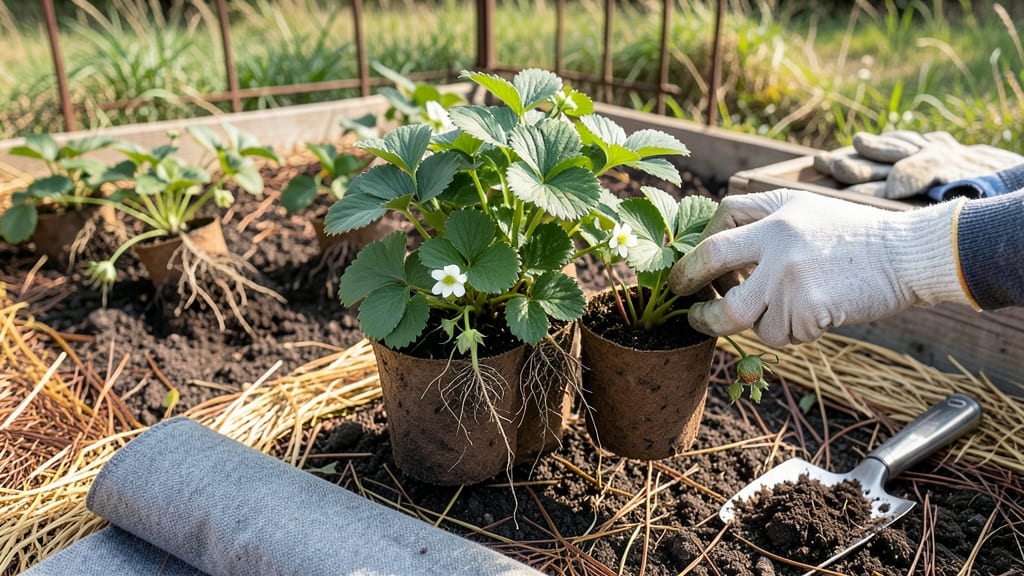
Planting strawberries in Tennessee at the wrong time can mean the difference between a bountiful harvest of sweet, juicy 🍓 and a disappointing patch of small, tart berries—or worse, no fruit at all.
The key to success lies in understanding Tennessee’s unique climate zones, where chill-hour requirements for strawberries vary dramatically from East Tennessee’s cooler highlands to West Tennessee’s milder lowlands.
Whether you’re in the Great Smoky Mountains or the Mid-Cumberland Plateau, timing your planting to match these conditions ensures your strawberries get the cold exposure they need to thrive.
Most gardeners in Tennessee’s USDA Zones 6a-7b have two prime windows: early spring (March–April) for container-grown plants or early fall (September–October) for bare-root varieties.
But with frost dates shifting unpredictably, knowing exactly when to plant—and how to protect your crop—is the game-changer that separates a small harvest from a full garden of plump, flavorful berries.
Let’s break down the science behind chill-hour matching, regional adjustments, and step-by-step planting strategies so you can confidently grow strawberries that outperform even the best grocery store varieties.
Best planting windows in Tennessee by chill-hour requirements
Tennessee’s chill-hour zones (ranging from 6,500 to 8,000 hours) determine which strawberry varieties thrive best in your area. June-bearing varieties need 500–1,000 chill hours, while everbearing types tolerate 300–800 chill hours.
East Tennessee’s higher elevations (like the Great Smoky Mountains) often get more chill hours than West Tennessee’s Mid-Cumberland Plateau, so variety selection matters.
For East Tennessee (USDA Zones 6a–7a), aim for June-bearing varieties like Chandler or Jewel, which produce large, flavorful berries after accumulating enough chill hours.
In West Tennessee (Zone 7b), opt for everbearing types like Seascape or Albion, which handle fewer chill hours and yield two harvests per year.
Planting too early (before last frost) risks frost damage, while planting too late (after April 15) may delay fruit production. Fall planting (September–October) is ideal for bare-root plants, allowing roots to establish before winter, while spring planting (March–April) works best for container-grown varieties.
Here’s how to match your strawberry type to Tennessee’s chill-hour zones for maximum yield:
| Variety Type | Chill Hours Needed | Best Tennessee Region | Planting Window | Harvest Time |
|---|---|---|---|---|
| June-Bearing | 500–1,000 | East TN (Zones 6a–7a) | Fall (Sept–Oct) or Early Spring (March) | Late May–June |
| Everbearing | 300–800 | West TN (Zone 7b) | Spring (March–April) or Fall (Sept) | June + Fall (small yield) |
| Day-Neutral | 0–500 | Urban Areas (e.g., Nashville) | Spring (April) or Fall (Sept) | June–October (continuous) |
In East Tennessee’s cooler microclimates, June-bearing varieties like Allstar thrive because they accumulate enough chill hours by winter. Meanwhile, West Tennessee’s warmer winters suit everbearing types like Ozark Beauty, which produce smaller but frequent harvests.
For high-altitude areas (e.g., Great Smoky Mountains), plant June-bearing varieties in late summer (August) to avoid early frosts. In lowland regions (e.g., Memphis area), day-neutral types like Seascape perform best, yielding fruit year-round with minimal chill requirements.
Always check your local frost dates—East Tennessee’s last frost averages March 15, while West Tennessee’s can be March 30. Planting 4–6 weeks before last frost ensures healthy root establishment before summer heat arrives.
Pro tip: Use row covers in early spring to extend the growing season by 2–3 weeks, especially in Zone 6a areas prone to late frosts. This protects new growth while allowing sunlight penetration for photosynthesis.
🌱
Step-by-step guide: when and how to plant strawberries in Tennessee’s climate
Tennessee’s unpredictable freeze-thaw cycles mean strawberry planting isn’t just about months—it’s about microclimates and plant types. Whether you’re planting bare-root crowns in fall or container-grown plants in spring, timing is everything to avoid frost damage or heat stress. Let’s break it down step by step for your region.
For bare-root strawberries, fall planting (late September to October) gives roots time to establish before winter. This is ideal for June-bearing varieties, which need 6,500–8,000 chill hours to produce large fruit.
If you’re in East Tennessee’s higher elevations, like the Great Smoky Mountains, aim for early September to avoid early frosts.
Here’s how to plant bare-root strawberries in Tennessee’s climate:
- Soil Prep: Test soil pH (ideal: 5.5–6.5) and amend with compost or peat moss for drainage.
- Planting Time: Late September–October (or March–April for container-grown plants).
- Spacing: 12–18 inches apart in rows 2–3 feet apart for airflow and sunlight.
- Planting Depth: Crowns (where leaves meet roots) should sit flush with soil—never buried.
- Mulching: Apply 2–3 inches of straw after planting to insulate roots and retain moisture.
- Watering: Water deeply immediately after planting, then 1 inch per week (morning only).
If you’re planting container-grown strawberries in spring (March–April), choose everbearing or day-neutral varieties, which are more flexible with chill hours. These thrive in West Tennessee’s warmer microclimates, like the Mid-Cumberland Plateau, where winters are milder.
For containers, use well-draining soil and 10–12 inch pots to prevent root bound conditions.
After planting, protect young plants from late frosts (common in April) with row covers or cloches. Remove covers once flowers appear to encourage pollination. In fall-planted beds, avoid fertilizing until spring to prevent new growth that could freeze.
Remember: Tennessee’s USDA Zones 6a–7b mean your last frost date varies—Mid-March in Memphis vs. Late April in Knoxville. Use your local Cooperative Extension Service for precise frost dates and adjust your planting schedule accordingly.
With the right timing and care, your strawberries will reward you with juicy, flavorful fruit by May or June—just in time for Tennessee’s peak strawberry season! 🍓