
Plants
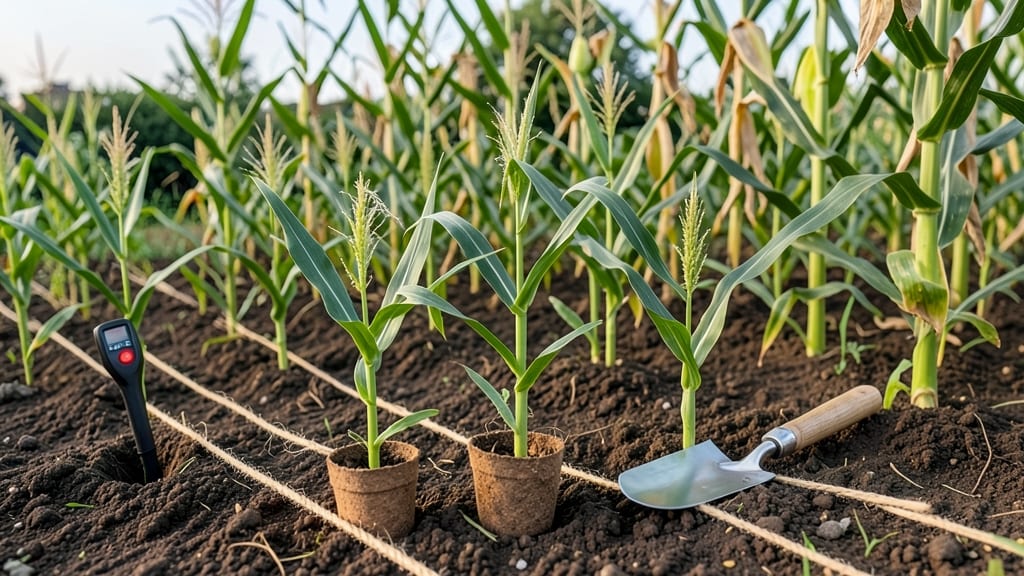
If you're planting corn in Zone 5, getting the timing right is the key to a harvest that rivals your favorite summer picnic spread. The difference between plump, sweet ears and disappointing stalks often comes down to those critical weeks before your last frost date.
Most gardeners in Zone 5 wait until late April or early May, but that's not always the best approach. Corn thrives when soil temperatures hit at least 60°F, and waiting too long can mean slower growth or even missed harvest windows.
Let me show you exactly how to time your planting for maximum yield.
We'll cover the ideal planting window, how to adjust for early or late springs, and why some gardeners swear by planting corn in two separate batches.
Whether you're a seasoned gardener or just starting with your first 🌽 patch, these insights will help you avoid common mistakes that stifle growth.
Ready to grow corn that's taller than your fence and sweeter than store-bought? Let's dive into the exact timing and techniques that work best for Zone 5 gardens.
Zone 5 corn planting timeline: exact weeks before last frost for optimal growth
Timing is everything when planting corn in Zone 5. The ideal window is just 2-4 weeks before your last frost date, but soil temperature matters more than calendar dates.
Corn seeds need soil temps of at least 60°F (15°C) to germinate properly, which typically aligns with late April to mid-May in most of Zone 5.
For example, if your last frost date is May 15, aim to plant corn between April 25 and May 5. This timing ensures your corn reaches maturity before fall frosts hit in October.
Early varieties (60-75 days to maturity) give you the most flexibility, while late varieties (90+ days) need perfect timing to avoid frost damage.
Your corn maturity group also affects planting time. In Zone 5, choose short-season varieties like 'Early Sunglow' (72 days) or 'Silver Queen' (85 days). These varieties thrive in cooler Zone 5 summers and avoid the risk of early fall frosts that can damage tender corn stalks.
Here’s the key rule: Wait until soil is warm—don’t rush planting just because the calendar says "spring." Cold soil delays germination and weakens seedlings, setting your harvest back by weeks. Use a soil thermometer to confirm readiness before dropping seeds into the ground.
🌽 Zone 5 Corn Planting Summary
| Stage | Action | Timeframe |
|---|---|---|
| Soil Prep | Test soil pH (6.0-6.8), add compost | 4-6 weeks before planting |
| Planting | 1-1.5" deep, 4-6" apart in rows 30-36" apart | Late April - mid-May (soil 60°F+) |
| Germination | Keep soil moist, protect from frost | 7-14 days |
| Thinning | Leave strongest plants 12" apart | 2-3 weeks after sprouting |
| Harvest | Silks brown, kernels milky | July - September (60-120 days) |
If your spring is unusually cold, consider using black plastic mulch to warm the soil faster. This technique can shave off 1-2 weeks from your planting timeline by raising soil temperatures by 5-10°F. Just lay the mulch down 1 week before planting to let it heat up.
For gardeners in northern Zone 5 (e.g., Minnesota, Wisconsin), aim for the later end of the window (mid-May) to avoid early frosts. In southern Zone 5 (e.g., Virginia, Kentucky), you can plant as early as late April if soil temps are consistent.
Always check your local USDA Plant Hardiness Zone Map for precise adjustments.
Pro tip: Plant corn in blocks, not rows. This encourages wind pollination and increases yield. A 4x4 foot block of corn will produce more ears than a single 16-foot row. Just space plants 12 inches apart within the block for optimal growth.
Finally, keep an eye on your local weather forecast in late May. If a late frost warning appears, cover young plants with frost blankets or row covers. Corn is sensitive to frost at any stage, but seedlings are most vulnerable.
With the right timing and these adjustments, you’ll harvest plump, sweet corn that rivals store-bought—just in time for summer barbecues. The key is patience: wait for warm soil, not just warm air. 🌽
Zone 5 corn planting timeline: exact weeks before last frost for optimal growth
Corn loves warmth, and in Zone 5, timing your planting to match soil temperatures is everything. The ideal window starts 2-3 weeks before your last frost date, but only when soil temps hit 60°F (15°C).
Most Zone 5 gardeners should aim for late April to mid-May, though this shifts yearly based on your microclimate.
For example, in northern Zone 5 (like Minneapolis), soil may not warm enough until early May, while southern Zone 5 (like St. Louis) can plant as early as late April. Always check a soil thermometer—corn seeds won’t germinate below 50°F, and slow starts lead to stunted plants.
Here’s the key: Plant short-season varieties (60-75 days to harvest) first, followed by medium-season types (75-90 days) 1-2 weeks later. This staggered approach ensures a continuous harvest from July through September.
| Stage | Action | Soil Temp |
|---|---|---|
| 2-3 Weeks Before Last Frost | Prepare beds; add compost | 45°F+ |
| Planting Window | Sow seeds 1-1.5" deep | 60°F+ |
| Germination | Keep soil moist; expect sprouts in 7-14 days | 65°F+ |
| Tasseling (6-8 weeks) | Increase water; fertilize lightly | 70°F+ |
| Harvest Ready | Pick when silks brown and kernels milky | 75°F+ |
Pro tip: If your spring is unusually cold, consider using black plastic mulch to warm the soil faster. This can shave off critical weeks and extend your planting window into early June for late varieties. Just remove the mulch once plants emerge to avoid overheating.
For organic gardeners, add aged manure or compost 2-3 weeks before planting to boost soil fertility. Corn is a heavy feeder, and poor soil leads to weak stalks or low yields. Test your soil’s phosphorus and potassium levels—corn craves both for strong roots and ear development.
Remember, corn thrives on consistency. Plant all your seeds in one session (or within a few days) to ensure uniform growth. Staggered planting is for extending harvests, not for initial sowing—this prevents uneven maturity and wasted space.